Google Play Policy Guides
Practical guides on Google Play policy enforcement — appeals, metadata rules, and what changes for AI-generated apps.
AI-Powered Apps, Face Swap and Deepfakes: Risks & Safety
AI-powered apps can be useful, but features such as face swap, image generation and deepfakes can also create serious risks. What users and developers should understand about AI-generated content and digital safety.
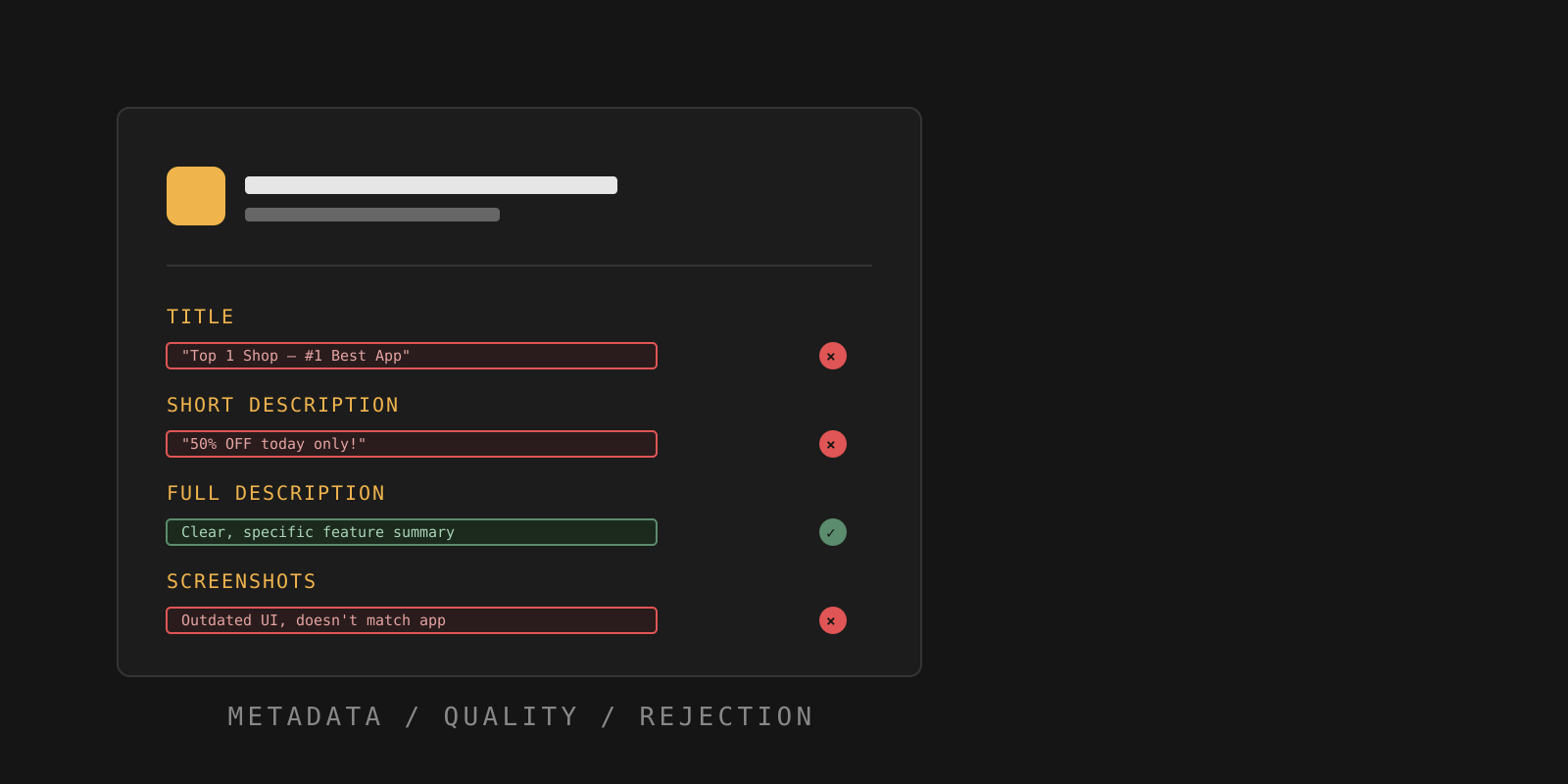
5 Metadata Mistakes That Get Google Play Listings Rejected
Ranking claims, promotional language, keyword stuffing, misleading feature claims and mismatched screenshots are the fastest ways to a Google Play metadata rejection. Here's how to avoid each one.
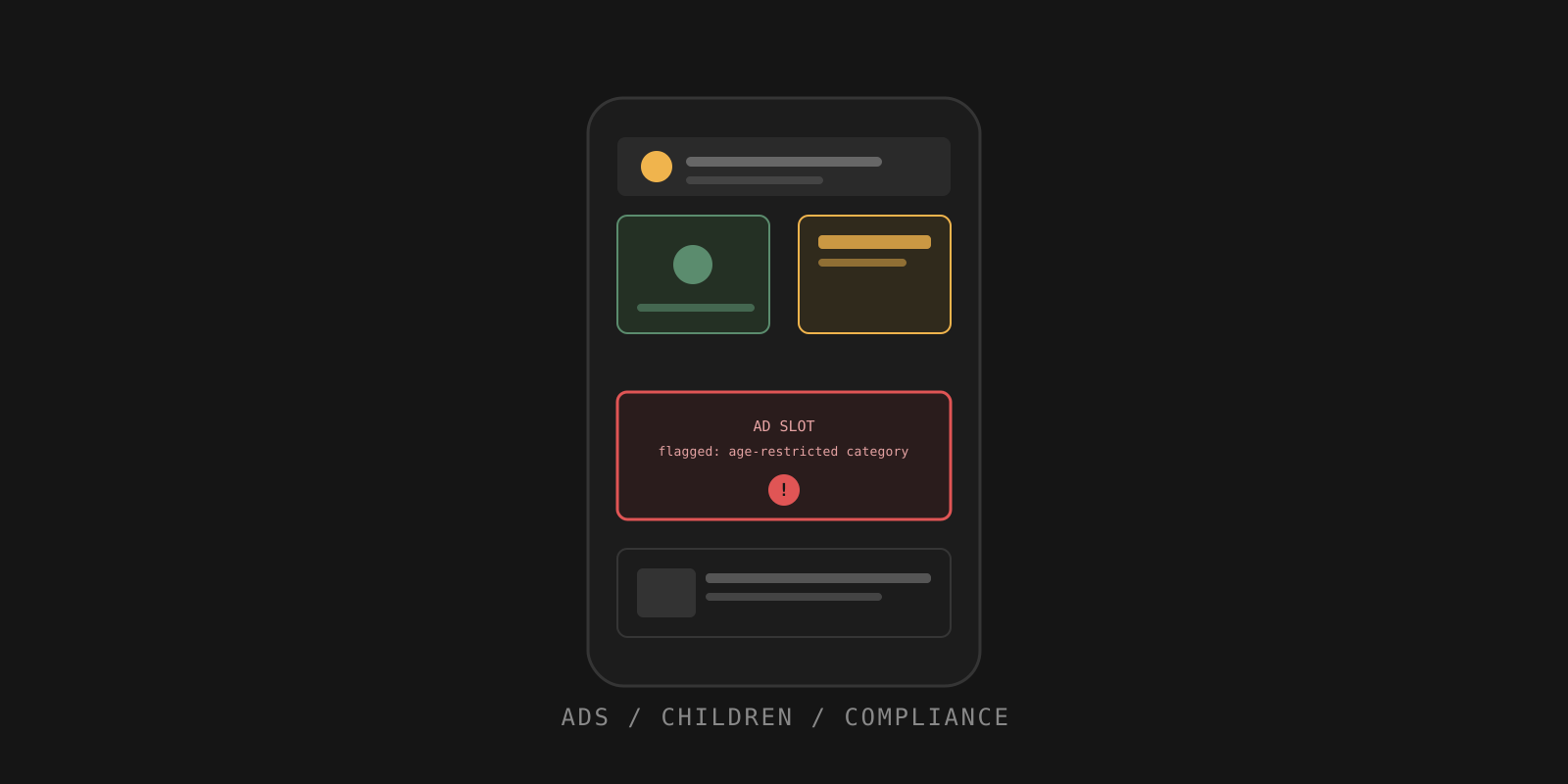
Google Play Rejection: Ad Compliance Risks in Children's Apps
Your app can be completely appropriate for children while an ad served through your SDK isn't. Here are the ad categories that put child-directed apps at risk.
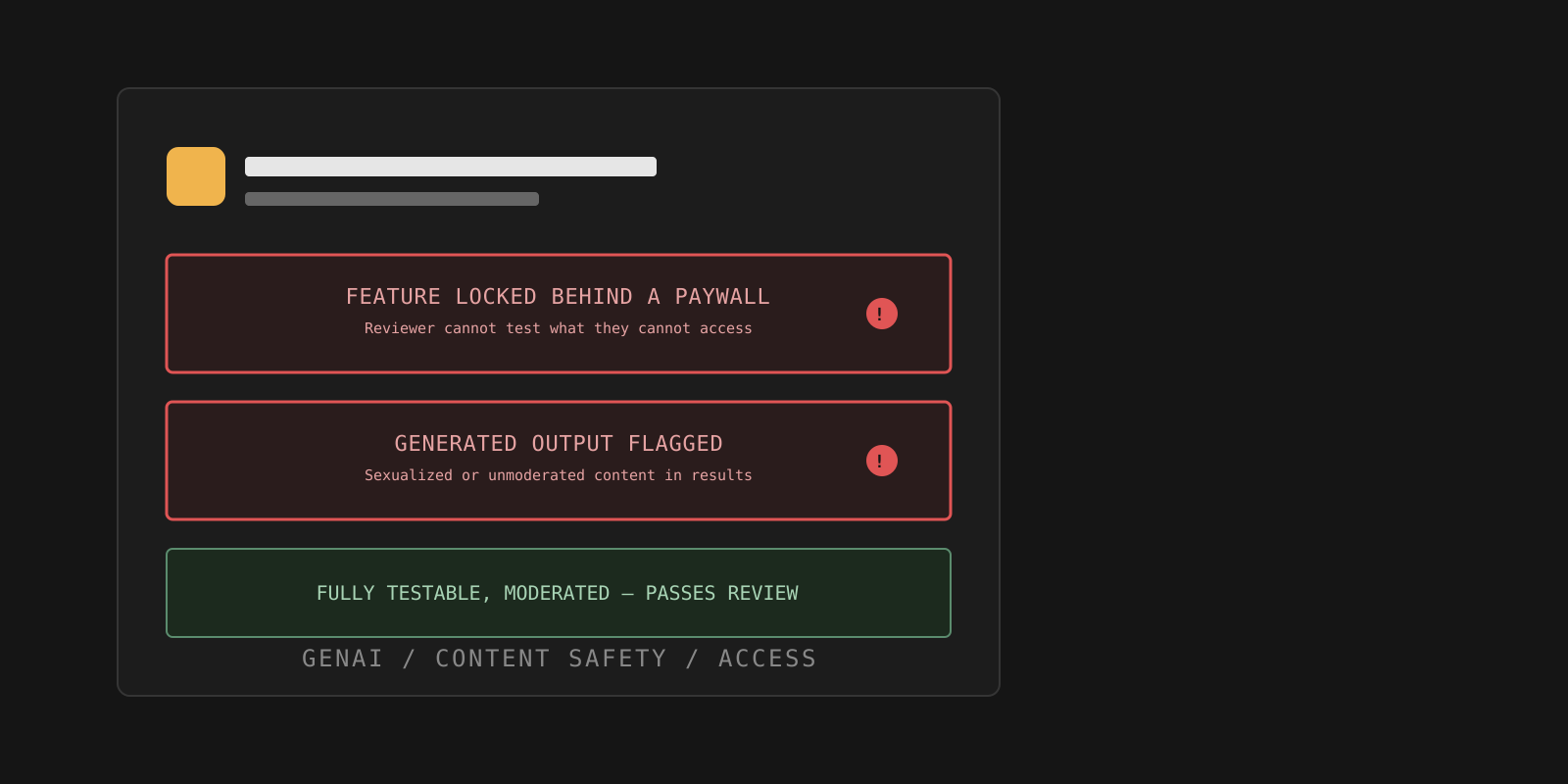
What Can Get Your GenAI App Rejected
Face swap, text-to-image, image-to-video — GenAI apps get extra scrutiny on Google Play. Here are the four mistakes that trigger rejections and suspensions most often.

Why Your D-U-N-S Number Must Exactly Match to Verify Your Google Play Developer Account
If you're verifying a Google Play organization account, your D-U-N-S record and your Google payments profile need to match exactly. A mismatch gives you 28 days to fix it — or your account and apps get removed.
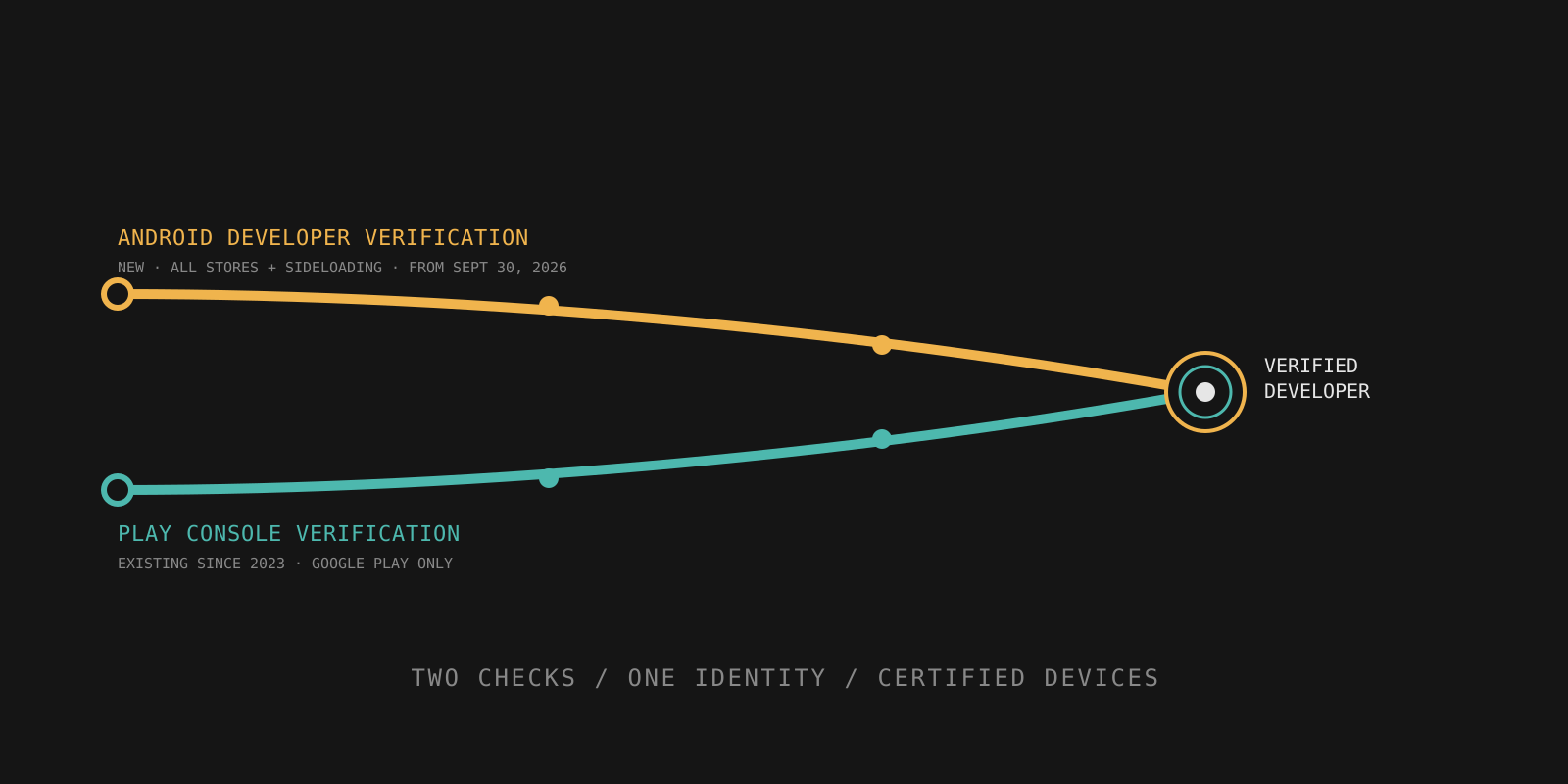
Android Developer Verification vs. Play Console Verification: The September 30 Deadline Explained
Two different verification programs are converging on Android developers in 2026. What Android Developer Verification actually checks, how it differs from Play Console account verification, and what changes on September 30, 2026.
More guides coming soon — appeals, metadata rules, and app policies.
Check your listing before Google does
Paste your listing text and get a policy risk breakdown in 60 seconds.
Check for free